


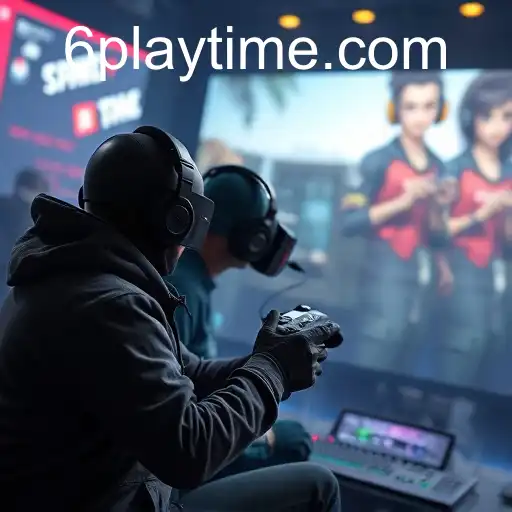
As of 2025, the landscape of gaming has experienced remarkable changes that have redefined how players engage with games and how developers design them for optimal playtime. With advancements in technology, the way players experience games has evolved, resulting in significant transformations in both the business models and cultural impact of video games.
A notable trend in the gaming industry is the increased emphasis on player engagement and retention rather than mere sales. This shift is driven by the rise of live service games, subscription models, and the convergence of social media with gaming platforms. Developers are adopting strategies that keep players coming back, from regular content updates to in-game events that encourage long-term play. As a result, the concept of playtime has become a crucial metric for success in the gaming world.
The dynamics of playtime are also influenced by the ongoing developments in cloud gaming and virtual reality. These technologies offer gamers seamless access to a vast library of titles, minimizing the barriers to entry and enhancing accessibility. Additionally, virtual reality has brought about immersive experiences that require players to invest more time to fully explore the expansive digital worlds, thereby extending playtime.
In the context of competitive gaming and esports, playtime has taken on a new dimension. Players dedicate countless hours to mastering their skills, as esports continues to grow into a professional sport with rigorous demands. This dedication is further encouraged by lucrative sponsorships and the global community that esports fosters.
As gaming continues to blend with other media forms, such as movies and music, the traditional boundaries of playtime are being challenged. Games are not just standalone experiences anymore; they are part of a broader entertainment ecosystem, which means that playtime extends beyond the game itself. Streaming platforms and social media channels provide spaces for players to share experiences, thus turning gaming into a participatory culture.
In conclusion, the notion of games playtime is experiencing a transformation influenced by technological advancements, cultural shifts, and evolving business models. As developers and players adapt to these changes, the future of gaming promises even more innovative ways to engage players, ensuring that playtime remains at the heart of the gaming experience.